
Santorini Monasteries & Sacred Sites: A Respectful Visitor's Guide
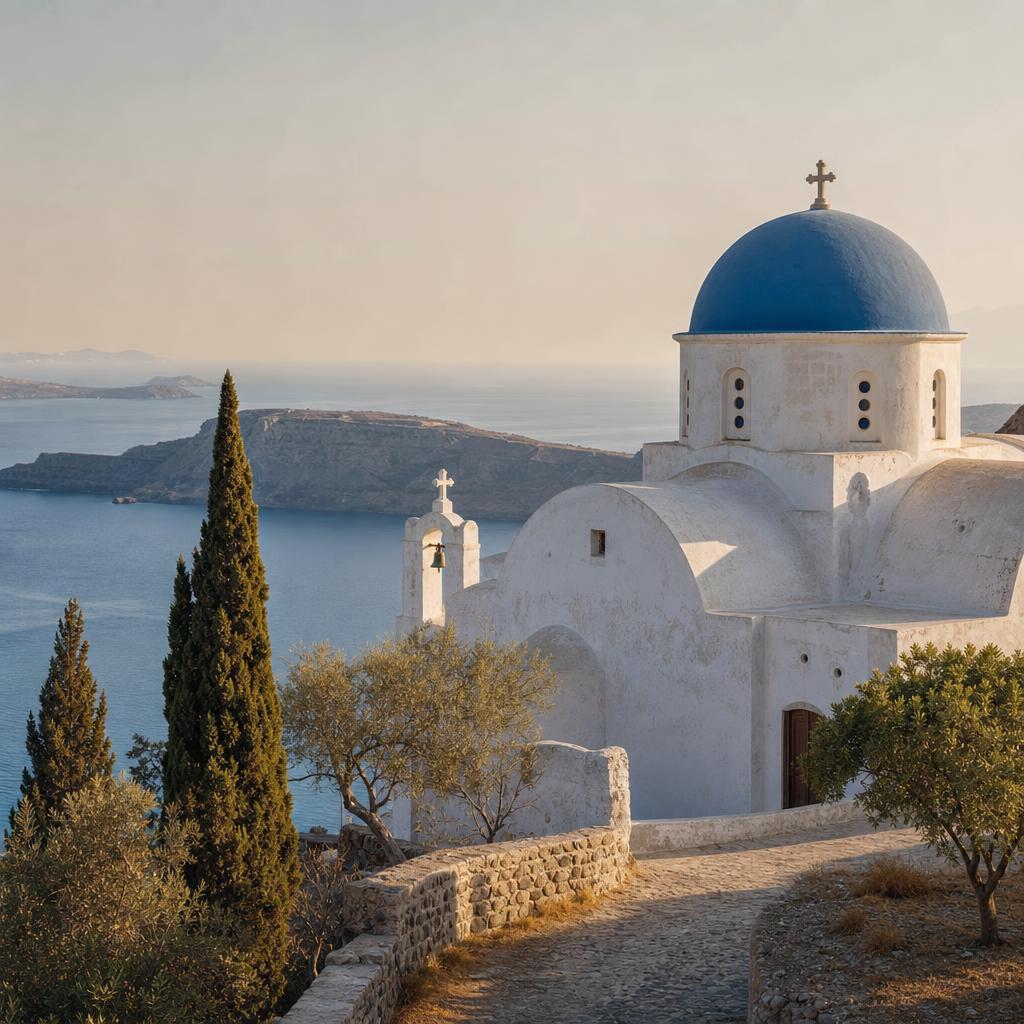
Santorini's sacred places offer a different way to read the island. Beyond the caldera views, monasteries and churches connect the landscape with Byzantine history, local traditions and the everyday spiritual life of the Cyclades.
Mountain monastery → Byzantine heritage → Fira's sacred heart
Visit with patience, dress thoughtfully and confirm access before you build a church or monastery stop into a timed island route.
Travellers searching for Santorini monasteries often imagine a single scenic building above the sea. In reality, the island's religious heritage is spread across mountain slopes, inland villages and the historic centre of Fira. The Monastery of Prophet Elias above Pyrgos is the clearest monastery-focused stop, while Panagia Episkopi and Fira's Catholic heritage add different layers to a cultural day.
These are not simply photo backdrops. Some sites are active places of worship, some have restricted access and all deserve the same care you would show a lived-in neighbourhood. Opening arrangements, services, restoration work and photography rules can change, so verify current information locally before travelling. For a wider inland route, read our traditional villages guide.
Monastery of Prophet Elias Above Pyrgos
The Monastery of Prophet Elias, also called Profitis Ilias, stands on the island's highest mountain above Pyrgos. Its elevated position gives the route a strong sense of place: the dry volcanic landscape, the Aegean horizon and the inland villages all appear differently from this height than they do from the caldera edge.
A visit works best when you allow time for the setting rather than treating it as a quick viewpoint. Combine the mountain with a respectful walk in Pyrgos, then continue only if your group still has energy for the slopes and village lanes. The approach can feel exposed in strong sun or wind, so carry water and choose shoes with reliable grip.
Why go
For a mountain setting, island-wide perspective and a significant local religious landmark.
Plan for
A higher, exposed location where weather and the final road approach affect comfort.
Remember
It is a religious site first. Follow current instructions and keep the atmosphere quiet.
Panagia Episkopi Near Mesa Gonia
Panagia Episkopi is a historic Byzantine church near Mesa Gonia, inland from the best-known caldera villages. Its architecture and history provide a useful counterpoint to the island's newer whitewashed hotels and terraces. The setting also shows how much of Santorini's character lies away from the cliffside postcard route.
Treat the church as a cultural and religious place, not an attraction with guaranteed access at every hour. Check whether the doors are open, whether a service is taking place and whether photography is permitted before entering. A slow visit can fit well with a route through Mesa Gonia, Kamari or the island's inland villages, but allow extra time rather than promising a fixed timetable.
Fira's Catholic Cathedral and Dominican Heritage
Fira adds another perspective to a Santorini sacred-sites guide. The Catholic Cathedral in the old Catholic quarter and the nearby Dominican Convent reflect the island's Catholic heritage and the long history of communities living alongside one another in the Cyclades. Their urban setting feels very different from the mountain quiet of Prophet Elias.
These landmarks are easy to pair with a caldera walk, but Fira's lanes can be crowded and uneven. Keep the visit considerate when services or private prayer are taking place. If your day also includes Oia, read our Fira to Oia caldera walking guideand leave enough time for the exposed path, stairs and return transport.
How to Plan a Santorini Sacred-Sites Route
A monastery and church itinerary should be shaped around geography and the pace of the people travelling with you. Trying to cross the island repeatedly for short photo stops can turn a peaceful cultural day into a rushed driving schedule.
- Choose one main focus: Prophet Elias, Byzantine heritage or Fira's churches.
- Check current access, service times and photography guidance before leaving.
- Pair the site with a nearby village or route rather than adding distant stops by default.
- Allow time for parking, slopes, stairs and the final walk to the entrance.
- Keep water, sun protection and a modest layer available for the day.
A private transfer can be useful when your route combines Prophet Elias, Pyrgos, Mesa Gonia and a hotel or dinner reservation. Tell KC Travel which sites matter most, how much walking your group wants and whether anyone needs a closer practical drop-off. The vehicle may not be able to enter every historic lane, so agreeing on a meeting point in advance is part of a good plan.
A Respectful Visitor Checklist
- Dress modestly and bring a light layer for churches or monasteries.
- Keep voices low and never interrupt a service for a photograph.
- Follow signs about entry, candles, donations and photography.
- Do not touch icons, furnishings or walls unless invited to do so.
- Respect private courtyards, monastic areas and residents around the site.
- Confirm access locally instead of relying on an old timetable or review.
Sacred places reveal a more grounded Santorini: a mountain above Pyrgos, a Byzantine church near Mesa Gonia and a historic quarter in Fira. Visit slowly, protect the quiet and leave enough space in the route for the island's roads and real life. For more history, compare this guide with our archaeological sites guideor plan a custom cultural route with KC Travel.
Book Your Santorini Transfer
Your driver, your route, and a smooth arrival from the airport or port to your hotel.
Check Availability →Santorini Monasteries & Sacred Sites FAQ
Which monastery is most associated with Santorini?
The Monastery of Prophet Elias, or Profitis Ilias, is the island's best-known mountain monastery and sits above Pyrgos. It is a meaningful cultural stop as well as a scenic one. Check current access arrangements before visiting and treat the site as an active religious place.
Can I visit the Monastery of Prophet Elias in Santorini?
Access and visiting arrangements can change with religious services, conservation, weather or local decisions. Confirm current information before setting a fixed itinerary, dress respectfully and follow any signs or instructions on arrival.
What is Panagia Episkopi in Santorini?
Panagia Episkopi is a historic Byzantine church near Mesa Gonia, on the inland side of Santorini. It is not the same place as the mountain monastery of Prophet Elias, so plan them as separate stops and check current opening information.
What should I wear when visiting Santorini churches and monasteries?
Choose modest clothing that covers shoulders and upper legs, and bring a light layer for changing conditions. Remove hats when appropriate, keep voices low and follow any local guidance about photography or entry.
Can I combine Santorini monasteries with Pyrgos or Fira?
Yes. Prophet Elias pairs naturally with Pyrgos, while Panagia Episkopi can fit an inland cultural route. Fira's cathedral and religious heritage can be visited alongside a caldera itinerary, provided you allow time for walking, services and current access arrangements.
Are Santorini monasteries accessible by car?
Road access varies by site and the final approach may include slopes, steps or a walk from a practical meeting point. Ask about the exact entrance and surface before travelling, especially if anyone in your group has limited mobility.